
22 September 2026
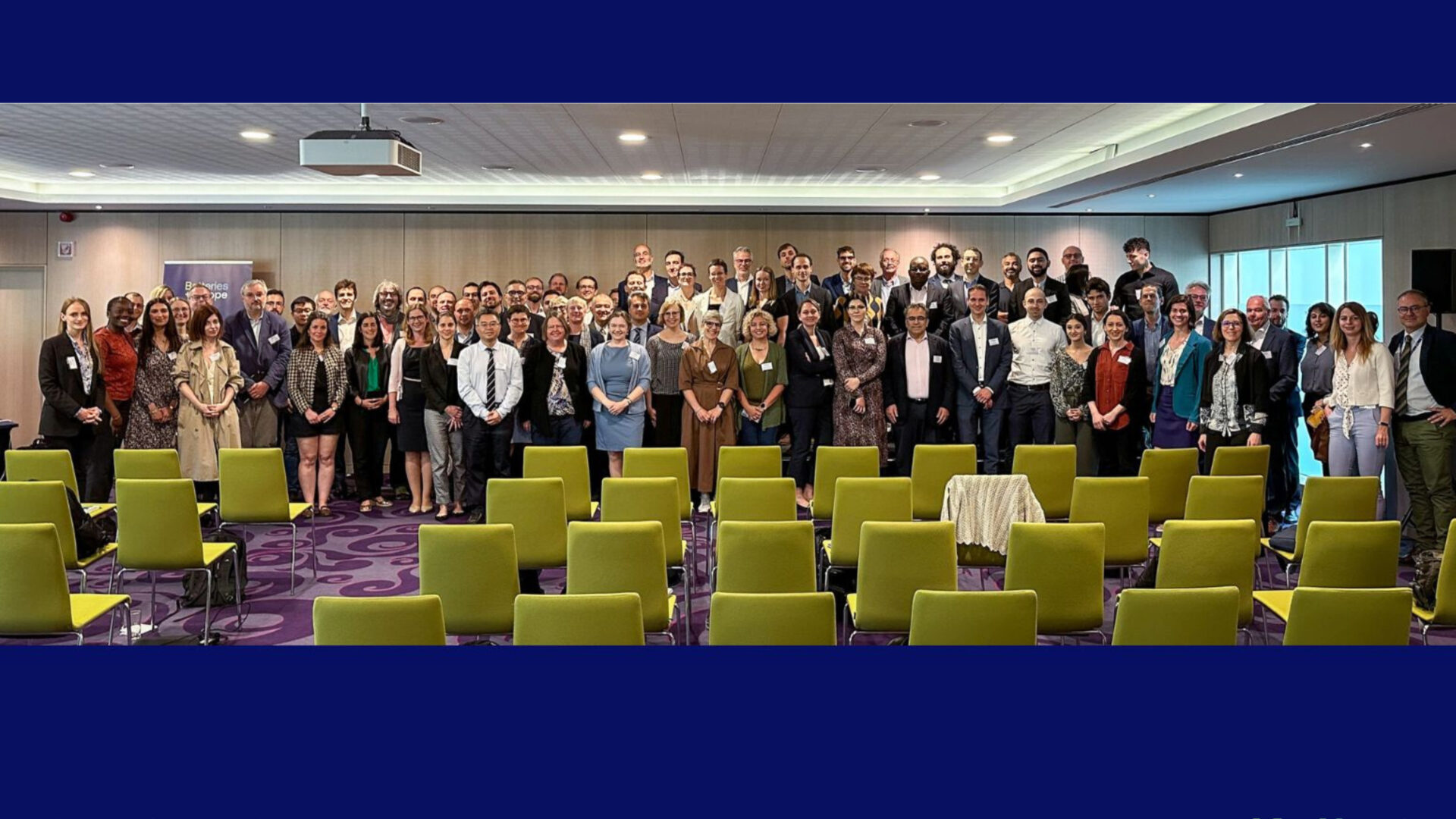
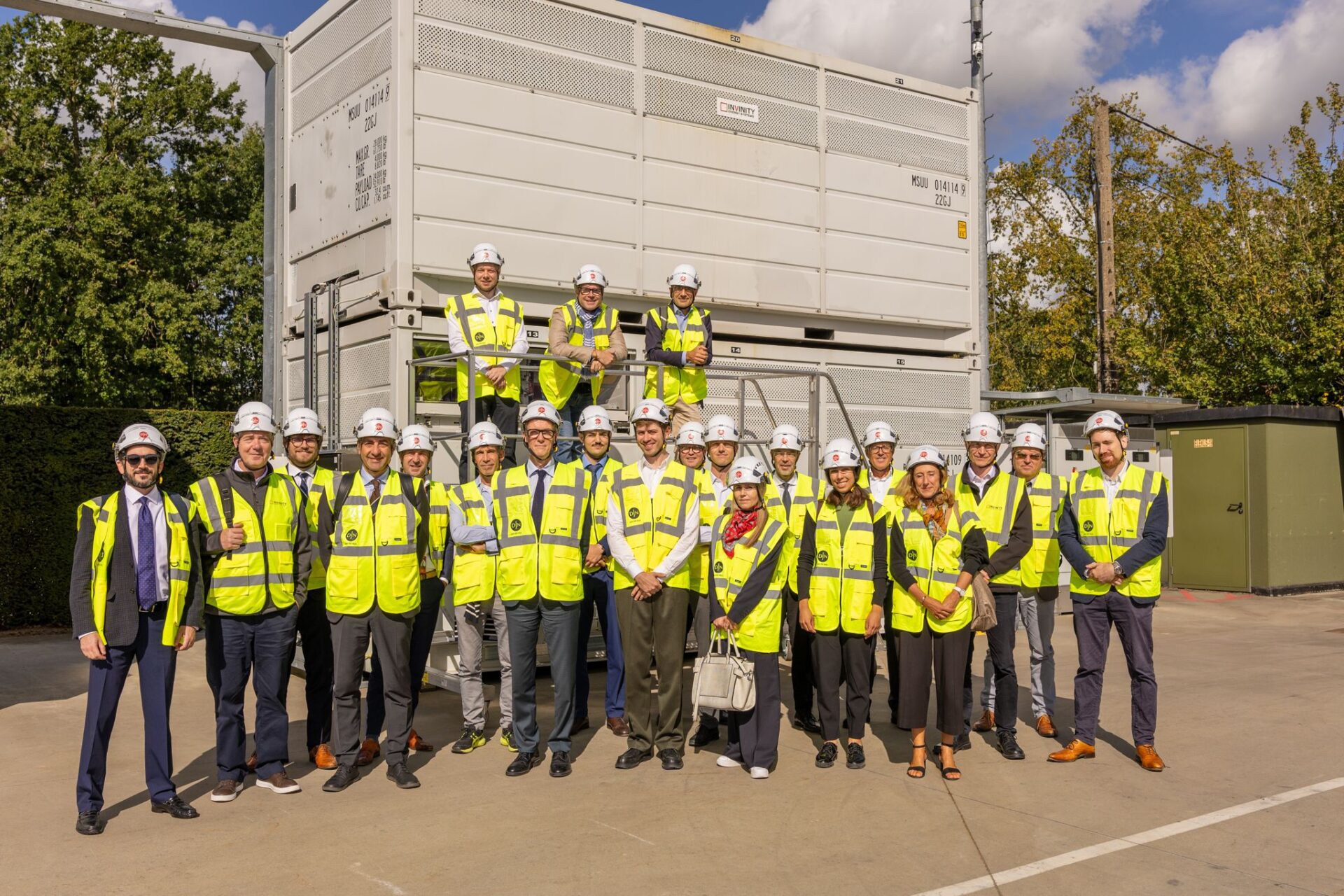
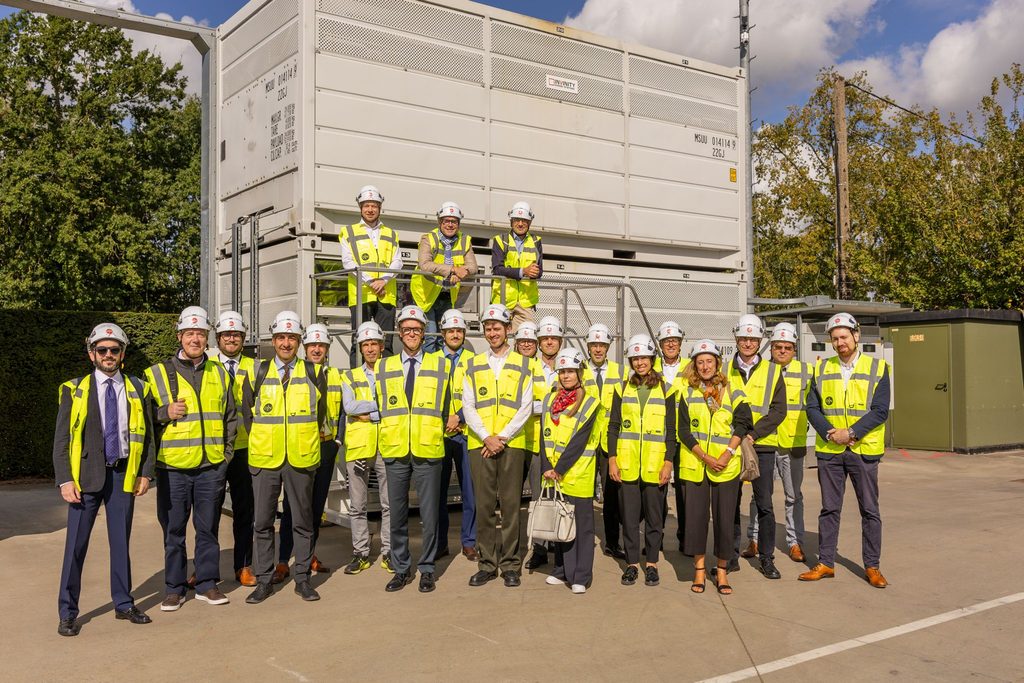
Several high-level European Commission officials and industry stakeholders visited Jan De Nul’s operational flow battery installation in Hofstade-Aalst, Belgium, last week, highlighting the growing strategic importance of flow batteries for Europe’s energy security and industrial resilience.
The visit demonstrated how flow batteries are being deployed in Europe, helping European industry to strengthen energy resilience, increase flexibility and supporting renewable electricity integration. It offered a practical example of how long-duration energy storage (LDES) can support Europe’s energy transition and industrial ambitions.
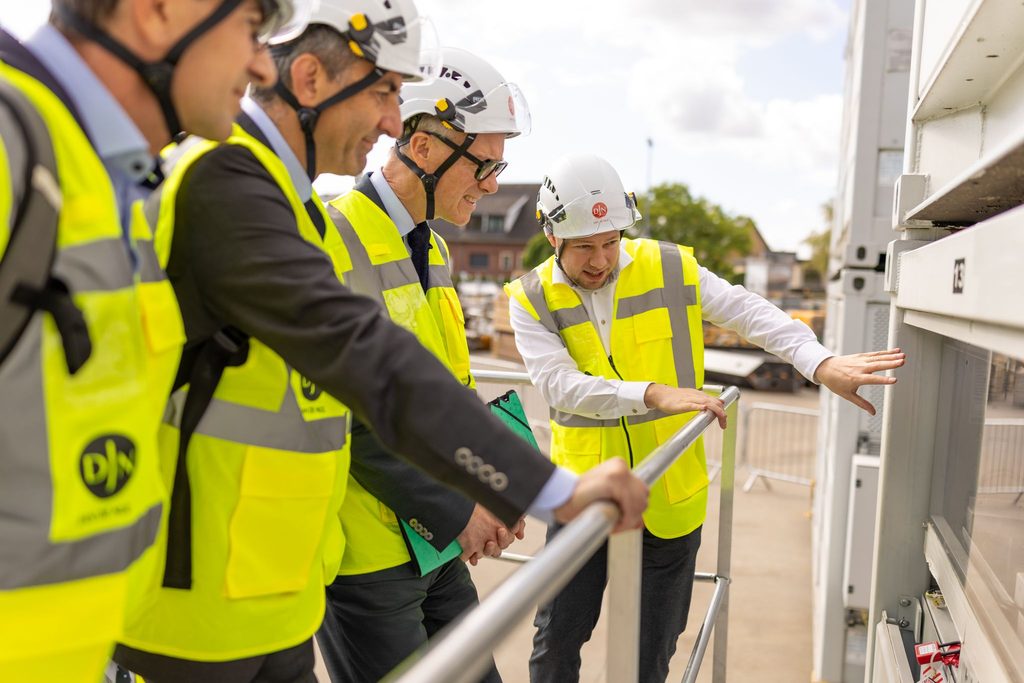
The project features a 0.8 MWh vanadium redox flow battery (VRFB) system, produced by Invinity, co-located with a 0.6 MWp solar PV array at Jan De Nul’s headquarters in Hofstade-Aalst. The installation stores surplus solar electricity generated during the day and for use in the evening, helping to maximise on-site renewable energy use.
The system is owned and operated by ENGIE. Through ENGIE Laborelec, ENGIE studies the VRFB’s operational performance and operation and maintenance requirements, including system behaviour, efficiency, reliability, maintenance activities and the influence of operating conditions.ENGIE also controls the battery through an Energy Management System (EMS). Flow batteries offer several advantages for critical and high-cycling applications, including long operational lifetimes, limited degradation over time, scalable energy capacity and a high level of safety.
“At Jan De Nul, we are World Builders shaping the energy transition. One thing has become increasingly clear: resilience and flexibility are becoming more and more important, especially for industry. In this pilot project, we worked with our partners to bring together the renewable electricity generated on site with the changing energy needs of our worksite and EV parking area, using an LDES solution. This gave us valuable hands-on experience in integrating flexibility into our operations, while also helping us understand the role LDES can play in the wider energy transition.”
— Frederik Van Praet, Business Development Manager, Jan De Nul
Supporting Europe’s energy and industrial resilience
Europe will need around 500 GW of energy storage by 2040 to meet the electricity system’s needs. Reliable, safe and scalable LDES will be essential to integrate more renewable energy and strengthen Europe’s energy security.
Europe also has the industrial capacity to develop and manufacture flow batteries domestically. With the right support to scale up the sector, flow batteries can strengthen European supply chains, industrial competitiveness and energy independence while providing long-duration storage for the growing share of renewable electricity.
“This project has shown us that flow batteries can reliably operate at MWh-scale for behind-the-meter use-cases. Thanks to their high level of safety and robustness against temperature variations and demanding cycling profiles, we believe that flow batteries can be a worthwhile alternative to lithium-ion for industrial sites where safety and reliability are of the highest importance. ”
— Matthijs DOCLO, Head of the ENGIE Energy Storage Lab, ENGIE Laborelec
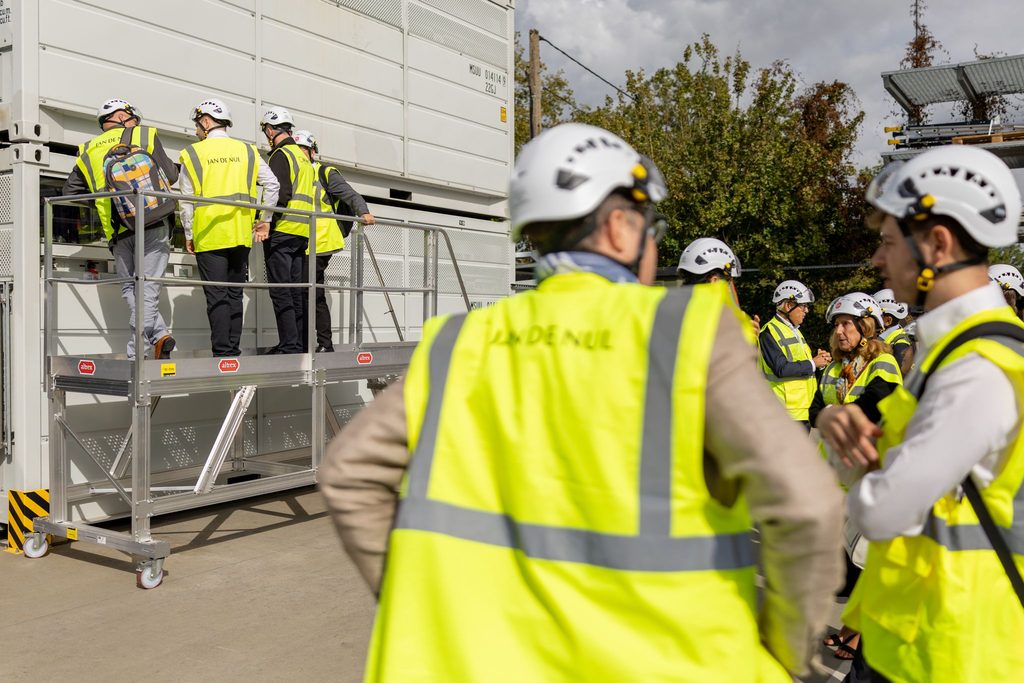
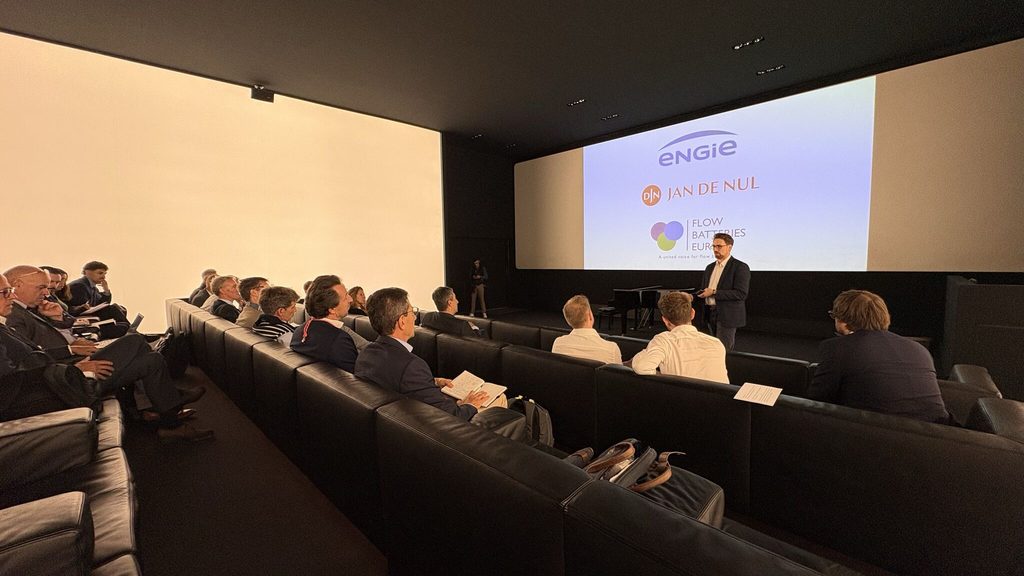
During the visit, participants heard from Jan De Nul on the industrial application of the technology, ENGIE on the system’s operation and optimisation, and Flow Batteries Europe on the strategic role of flow batteries in Europe’s energy security and energy transition.

FBE Contact
Aurélien Ballagny, Head of Policy
a.ballagny@flowbatterieseurope.eu; +32 2 743 29 86
About ENGIE Laborelec:
Laborelec is a leading expertise and research centre in electrical power technology. Drawing on the skills of 370 specialized engineers and technicians, the company is active on the whole electricity value chain and backs a large set of customers in the fields of generation, transmission, distribution, storage and final use, with a particular focus upon the energy transition and net zero carbon. Laborelec SA/NV is part of ENGIE Research and Innovation, with ENGIE and independent grid operators as shareholders.
About Jan De Nul:
Jan De Nul shapes water, land and energy around the world, addressing some of the most important challenges of our time. From the rising sea level to the energy transition, from polluted soil to sustainable construction: we engineer solutions that future-proof our world, known for their complexity and high stakes. Our Can-Do people focus on four areas of expertise: Offshore Energy, Dredging Solutions, Construction Projects and Planet Redevelopment. Together, we all work towards one shared goal: to improve the global quality of life for generations to come.