


This episode features Philip Krause, Senior Vice President at Rongke Power, who presented one of the company’s most successful projects: the World’s First GWh-Scale Vanadium Flow Battery Energy Storage Project in Operation, namely the Jimusaer Project in Xinjiang, China.
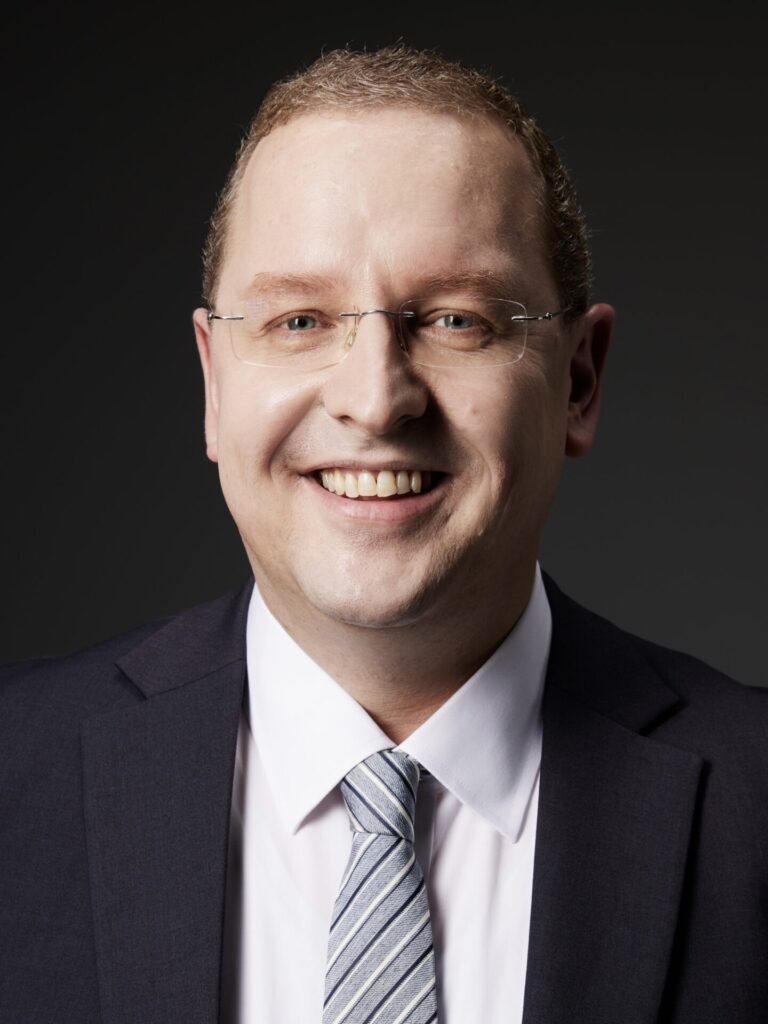
Name: Philip Krause
Comany & Position: Senior Vice President of Ronke Power, Germany
Company Website: https://rkpstorage.com/

Introduction to RKP
Could you start by briefly introducing RKP and its role within the long-duration energy storage and flow battery ecosystem?
Rongke Power was founded in 2008. We specialize in long-duration energy storage applications, particularly for utility-scale and large power systems.
We are also a producer of key materials, including electrolytes and stacks, and we provide full system integration. We have extensive experience in delivering real-world projects across Asia and for key customers internationally.
Our flow batteries offer a very high cycle life, enabling greater utilization of our solutions and systems, and they are non-flammable, which significantly enhances safety for customers. Also, no augmentation is required over time, resulting in a lower total cost of ownership, and our systems provide high availability and are well suited for demanding duty cycles.
From the customers’ point of view, Rongke Power has other benefits as well as we are a fully integrated company and a single accountable supplier. We produce stacks, electrolyte and critical components by ourselves, we have extensive knowledge about electrolyte supply capability and we produce all types of electrolytes internally. We have delivered a broad range of utility-scale projects, including large grid-scale installations, which allow us to continuously validate vanadium flow battery technology in real operating environments. In short, we have a strong track record and deep expertise in producing vanadium flow batteries.
What type of flow battery technologies does RKP develop or deploy, and what are the key characteristics that differentiate them from other large-scale energy storage solutions?
In essence, we are highly experienced in all vanadium-based and vanadium-related electrolyte systems. We also monitor and test alternative chemistries with selected partners, but our core business remains vanadium.
One key advantage of vanadium flow batteries is that there is no capacity fade. The electrolyte is water-based and can be recycled almost 100%. The vanadium can be extracted and reused, and many system components can also be repurposed.
Vanadium flow batteries are particularly suited for heavy-duty applications. For example, wind farms experience significant fluctuations, and our batteries are designed to handle precisely such conditions. PV applications are also relevant, although PV generation follows a more predictable daily cycle.
Another application gaining traction is EV fast charging. In some countries, fast charging means 200, 250, 300 kW or more. If multiple vehicles are charging simultaneously, this creates significant demand peaks, and flow batteries can support the frequent cycling and allow 100% depth of discharge without degradation, unlike other chemistries that suffer cycle-related issues.
Also, AI data centres are becoming an important use case for flow batteries. I previously worked for a large German company involved in building high, medium and low-voltage infrastructure for data centres. When you look at traditional data centres, they are designed for stable loads. But today’s AI data centres have highly volatile demand patterns, with rapid fluctuations in power consumption. This requires a fundamentally different infrastructure design, including UPS systems and grid connection strategies. In short, buffering is needed both within the data center and between the data center and the grid. The power fluctuations can reach several hundred megawatts multiple times per minute. Each peak can effectively represent a half-cycle or full-cycle event, which may present challenges for conventional battery chemistries. Vanadium flow batteries, however, can handle such stress without issue.
We see these areas as good opportunities with our product portfolio and conduct business in this space.
Which markets and applications does RKP primarily target today?
Our primary focus has been utility-scale applications. These projects typically require early engagement during the grid planning phase. The batteries we deploy are large and must be integrated into the grid design from the beginning, so as to optimize grid architecture and achieve the best financial efficiency and economic viability. For utilities, we focus on renewable integration, peak shaving, frequency control, and transmission and distribution stabilization, including support for HVDC links.
We are also developing a component business model, where we discuss the purchasing of critical components such as stacks and electrolytes with selected partners that demonstrate sufficient demand and scale. This way, we offer partners the flexibility to design their systems while using our stack technology and expertise, which is arguably among the most developed worldwide, and we help them design batteries for specific applications using also our best practices and lessons learnt. This can easily save them time and costs, while allowing us to build a broader ecosystem.
Case Study: Jimusaer GWh-Scale Project (Xinjiang, China)
Could you introduce the Jimusaer project and explain why it is considered a flagship and first-of-a-kind project for RKP and for the global flow battery industry?
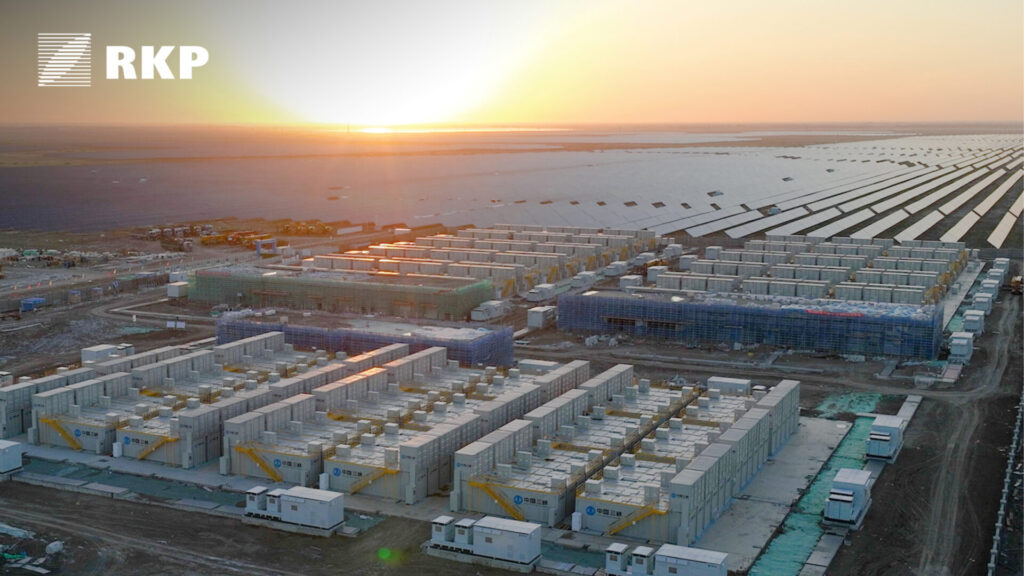
The most distinctive feature of the Jimusaer project is its scale and the fact that it is already operating as part of a real power system.
From a manufacturing and engineering standpoint, scaling to this level was manageable for us. However, being the first GWh-scale vanadium flow battery project in operation worldwide is a milestone we are proud of. We also see it as a blueprint for similar projects globally, as we are engaged in comparable discussions beyond Asia.
Secondly, this project isnot considered only like a battery, but more like an asset in a balance sheet, and this is the fundamental.
As batteries scale up, their financial nature changes. Unlike certain technologies that require replacement after several years, vanadium flow batteries retain value because the electrolyte can be recovered at end of life,the electrolyte retains recoverable material value at the end of the system’s life. This fundamentally alters the investment logic. Moreover, the system must be reliable, as it supports critical national infrastructure, hospitals, airports, and grid stability… it is an investment asset that must deliver long-term performance. To ensure the flow battery asset delivers these, we need to be involved since the very beginning so we can advise and work together with the customer to yield for the best optimal design and operation mode, and produce a win-win result for the customer and the power grid.
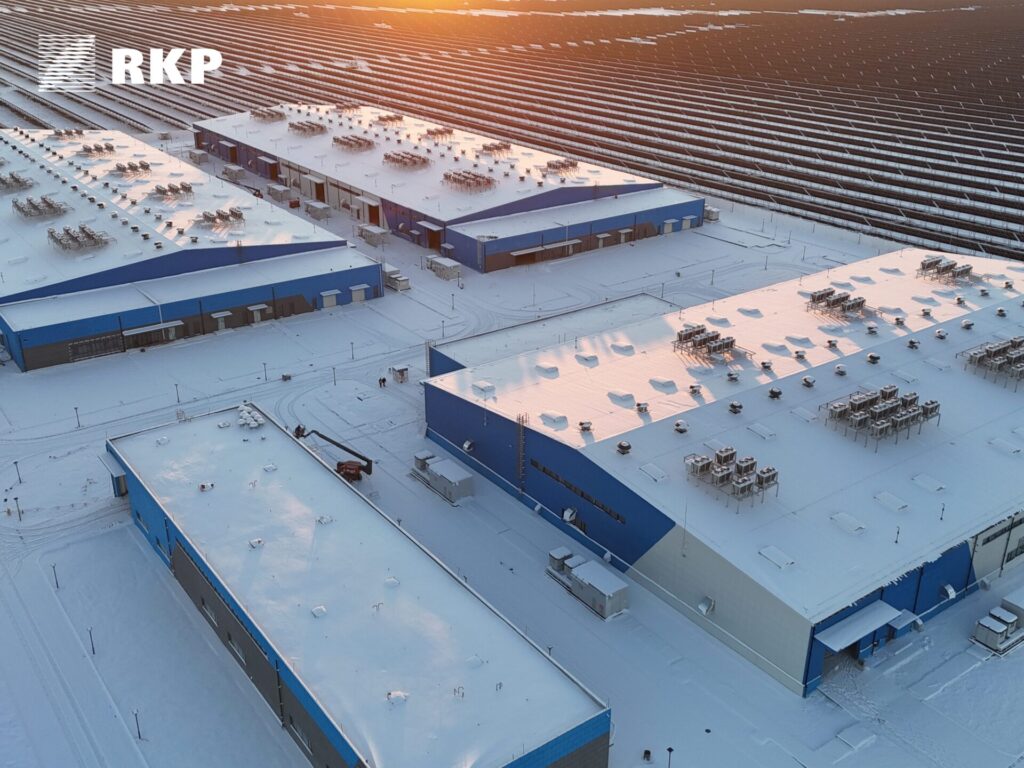
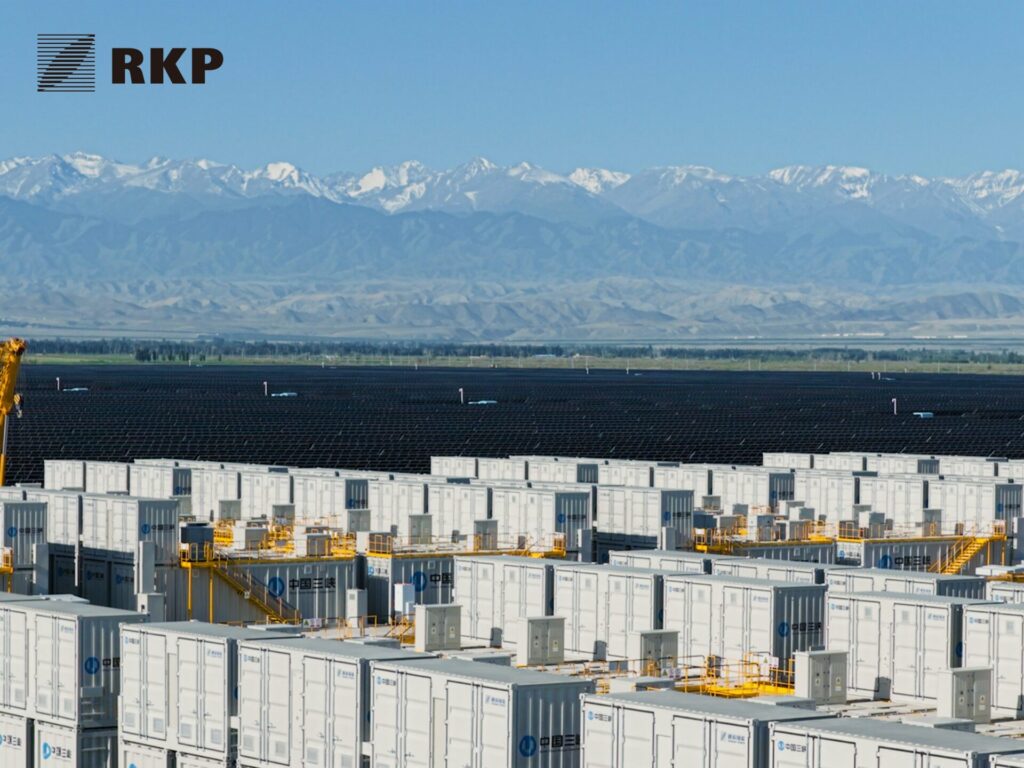
The Jimusaer project itself is 200 MW / 1,000 MWh, providing 5 hours of duration, integrated with a large PV plant. The region is mountainous, with extreme weather conditions ranging from -35°C to +45°C. There is also a generation-demand mismatch, similar to certain regions in Germany. High renewable generation exists in areas with limited local demand, requiring long-distance transmission. HVDC links must operate under stable conditions, as large fluctuations negatively affect converters and equipment.
With this project, the operator conducts arbitrage, and can provide other services such as load shifting, curtailment reduction (historically around 230–240 million kWh annually), and grid stabilization.
What were the main objectives behind developing a GWh-scale vanadium flow battery project at this location?
The PV plant already existed, and the battery needed to be located nearby to minimize transmission losses, while also enhancing the resilience of the overall power grid and transport the surplus energy to other regions.
How long did it take from planning to deployment?
The execution of the project, so including transport and deployment, only took a few months. Fast permitting and procedures really speed up the process here. I would say this is approximately ten times faster than in Europe, where project timelines are often longer due to more complex permitting and regulatory frameworks.
What specific energy system challenges was the project designed to address?
The primary challenge to be addressed was managing large daytime PV generation and dispatching it when needed.
Secondly, the battery provides what we call “deep ramping”, namely absorbing or delivering power in a very short time to stabilize fluctuations. For a small PV plant, the flow battery can act as a buffer to ensure stable grid injection levels, for instance, when clouds coverage increases drastically.
Third, the flow battery also protects HVDC infrastructure by smoothing fluctuations, reducing wear on converters and protection systems.
What challenges did you encounter in deliver the Jimusaer project?
While scaling did not pose any major challenge for us since flow batteries are scalable – several 100MW projects or one 200-MW project for us it’s basically the same – the conditions of the site were demanding and required an experienced project management team on our side.
Here’s an anecdote from the project: During construction we also had some unexpected moments. The project site is located in a remote desert region about 25 kilometres from the nearest town, and transport trucks sometimes had to pass through rural roads where local camels, sheep, or cattle blocked the way. At times the delivery team had to wait for quite a while before the road cleared. It was a reminder that large infrastructure projects often happen in very real and sometimes unpredictable environments. Because of this, I would say having an expert project management team capable of dealing with similar situations is fundamental.
What is the primary role of the vanadium flow battery system within the local or regional power system?
Officially speaking, vanadium flow batteries are optimized for long-duration and high-utilization operation. In my simple words, I say vanadium flow batteries are “heavy duty working horses”. They are highly robust and designed for frequent cycling under demanding operating conditions.
They are also financial assets, with recoverable value at end of life, which is a fact that many investors are not fully aware of. Another important aspect is that the electrolyte remains a recoverable material asset over time, which is a unique characteristic of vanadium flow batteries. Then, safety is another key advantage of vanadium flow batteries, as they can’t burn, they are water-based.
Finally, flow batteries can applied for a variety of large-scale applications. Simultaneous charging and discharging or multi-service operation are possible, depending on system design.
You said vanadium flow batteries can be used for a variety of applications… what’s the most common use case of Rongke Power’s customers?
Definitely PV integration. PV forms the base business case for flow batteries at the moment, upon which additional services can be layered… much like building different structures from the same set of components. A metaphor can be Lego constructions: you can build different things with the with the same pieces.
However, lately interest has been increasing around the use of flow batteries for data centres and hospitals for instance.
Best Practices, Policy Relevance, and Outlook
Based on the Jimusaer project, what key lessons learned or best practices would you share with utilities, developers, or policymakers considering GWh-scale long-duration energy storage projects?
As I said before, early grid integration planning is essential. A 1 GWh battery cannot simply be placed anywhere; it requires substations, transformers, and proper grid connection agreements, so the flow battery producers need to be involved in the project from the very beginning, even during the grid planning stage.
If you don’t have the infrastructure, operational strategy, and experience in managing large systems, the project cannot be run properly.
Proper sizing is also essential. Oversizing may bring short-term gains but reduces long-term customer satisfaction. Undersizing can be expanded later, which is one advantage of flow batteries.
Our philosophy is to design the right size from the outset to ensure long-term customer satisfaction and replicable business.
You said it’s really important that the grids are involved as early as possible in grid planning… how does this involvement look like in your case?
We have a dedicated grid planning team that conducts grid studies and advisory services. These services are essential for us to determine together with the customer what battery capacities they realistically need. It is very common that customers request flow battery projects with large capacities, but through analysis we usually find out that 10–12 hours of storage are sufficient, rather than 16–18 hours. I believe in 9 out of 10 cases customers follow our grid planning team recommendations in terms of battery capacity.
From your perspective, how can policy frameworks, market design, and regulatory support at national, EU, or international level help accelerate the deployment of large-scale vanadium flow batteries and other LDES technologies?
I would say three elements are essential.
- Operational incentives are necessary to attract investors. Without financial viability, large-scale storage projects will not materialize. And this can be easily supported through clear market frameworks that recognise the system value of long-duration storage by policymakers and national authorities, who are also going to benefit from increased grid flexibility and resilience.
- Bankability. Support mechanisms, which can be grants but not only, can help incubate and establish a domestic ecosystem, particularly in the EU.
- Stakeholders must focus on total cost of ownership and the complete lifecycle of the product rather than only CapEx. This is valid especially for certain battery chemistries and vanadium flow batteries for sure. Technology readiness is no longer the issue; the question is who is prepared to deploy it.
You touched on the bankability topic there. Could you please develop more on this topic?
Sure. Banks manage risks.
We need to educate financial investors in understanding that for vanadium flow batteries, what retains most of the value of the battery is the vanadium electrolyte, which does not degrade chemically over decades. Nearly half of the CapEx resides in the electrolyte, which remains stable and may even appreciate in value.
The quantity of vanadium contained in the electrolyte remains unchanged over time, so if an investor initially allocates 100 units of value to the electrolyte, that intrinsic material value remains intact. Given that vanadium has historically tended to appreciate rather than depreciate, its market value may even increase over time.
So for instance, after 20 years of operation, when a 1 GWh battery reaches the end of its service life or undergoes a major upgrade, the electrolyte retains intrinsic material value over time, which is an important consideration for long-term asset evaluation, , increasing from an initial value of 100 to 120 or even 150, depending on market conditions.
We need to bring these matters in the conversation when, for instance, filling tender forms and discussing battery chemistries and components with customers and investors, because it is not issues that the wide public is aware of.
By showcasing the Jimusaer project as a successful, operational GWh-scale system, what key message would you like to send to European policymakers, investors, and energy system planners?
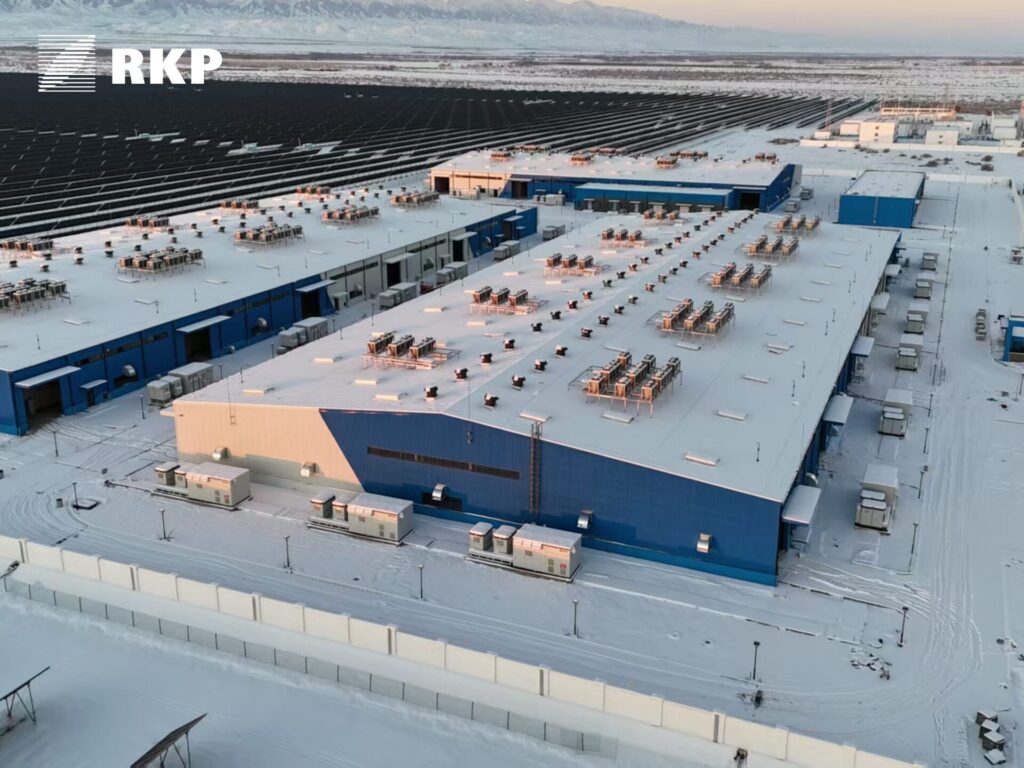
The technology is ready. If Europe wants to deploy this technology at scale, the EU needs to start investing in flow batteries now, or we will lag behind other regions of the world that acted upon it faster.
It’s a reliable, safe, scalable technology that is suitable for a variety of use applications, and it is an industry that will create jobs and increase the EU’s energy security.
How? As I said earlier, make it attractive, support the industry financially, eliminate market entry barriers. It is a strategic decision.
And what do you see is the major barrier for like stopping Europe to really expanded scale. If you could, if you, if there’s one thing that could be improved, is it, is it like permitting or is there any core problem you see that Europe needs to fix?
There is not a single barrier, but several structural factors. Permitting timelines, investment frameworks, and market signals all influence the pace of deployment. Demonstration projects at scale can also help build confidence among utilities, regulators, and investors. Since we are active in all five continents, I know European dynamics are different from elsewhere. In my opinion, large-scale demonstration projects could also substantially help the flow battery sector in Europe, but they also take time, maybe up to 8-10 years. And then, yes, financial attractiveness and bankability are what matters most to investors, which would then set up pilots themselves, incentivised by the market.